
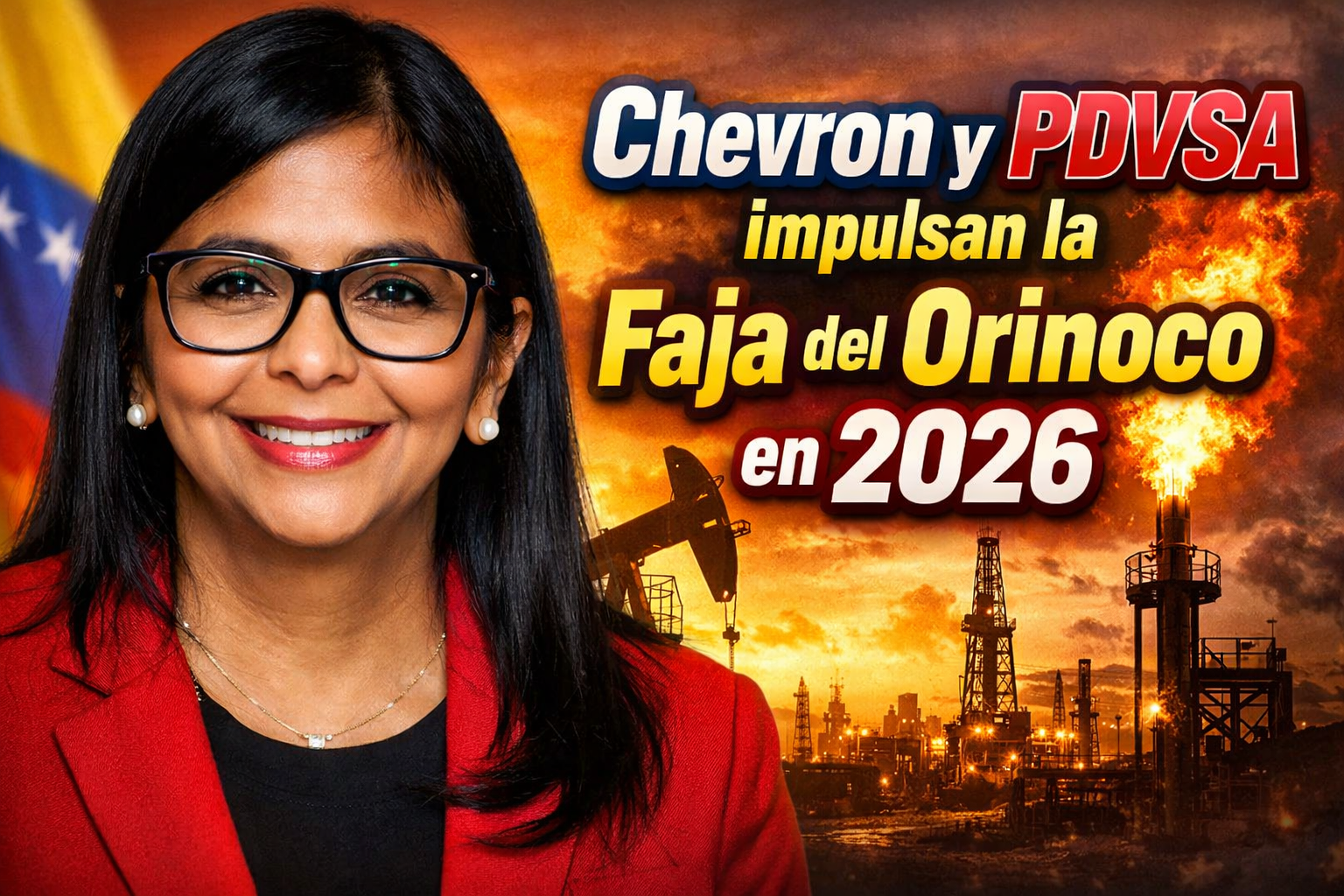
Chevron and PDVSA have forged a strategic alliance to revitalize Venezuela’s Faja Petrolífera del Orinoco, one of the world’s largest oil reserves. Recent agreements signal a surge in investment amid easing sanctions, promising substantial growth in the nation’s energy sector.
La Faja del Orinoco: Un Gigante Energético
The Faja Petrolífera del Orinoco stretches across 55,000 square kilometers in southern Venezuela, holding an estimated 1.3 million billion barrels of heavy and extra-heavy crude. This vast belt represents over 90 percent of the country’s proven reserves, positioning Venezuela as a global energy powerhouse despite decades of challenges.
Discovered in the 1930s but developed extensively since the 2000s, the Faja demands advanced technology for extraction due to its viscous oil. Joint ventures between PDVSA and international firms have been key, blending local resources with foreign expertise. In 2026, renewed focus here could transform Venezuela’s economy.
Chevron y PDVSA: Una Alianza Renovada
Chevron, the sole major U.S. oil firm still active in Venezuela, deepened ties with PDVSA through landmark deals signed in April. These pacts expand Chevron’s stake in key Orinoco projects like Petroindependencia and Petropiar, boosting its share to nearly half in some ventures.
Currently, their joint operations pump around 260,000 barrels per day—about a quarter of national output. Chevron swaps offshore gas and crude assets for more heavy oil acreage, streamlining focus on high-value Orinoco plays. PDVSA gains back stakes in gas fields, diversifying its portfolio.
Executives hail this as mutually beneficial, with Chevron’s tech revitalizing aging fields. PDVSA leaders emphasize national control while welcoming capital infusions.
Inversiones Estratégicas en 2026
The new agreements unlock billions in investments, targeting production hikes. Chevron aims for a 50 percent increase over two years, potentially adding 130,000 daily barrels from Orinoco alone. This involves upgrading facilities, drilling new wells, and enhancing recovery techniques for extra-heavy crudo.
Partial reforms to the Hydrocarbons Law in early 2026 pave the way, offering flexible terms amid global energy demands. Total foreign investment could surpass several billion dollars, with Chevron leading alongside firms like Repsol.
| Proyecto Orinoco | Participación Chevron (Post-Acuerdo) | Producción Actual (bpd) | Meta 2028 (bpd) |
|---|---|---|---|
| Petroindependencia | 49% | 120,000 | 180,000 |
| Petropiar | 30%+ | 140,000 | 210,000 |
| Otros Mixtos | Variable | 260,000 total | 390,000 total |
These figures underscore the scale, with tech upgrades like steam injection boosting yields from bitumen-like deposits.
Sanciones: De Obstáculo a Oportunidad
U.S. sanctions crippled Venezuela’s oil sector since 2019, slashing exports and investment. General License 41 in 2022 allowed Chevron limited operations, preventing total collapse. By 2026, partial lifts—tied to political dialogues—enable expansion.
The asset swap exemplifies sanction navigation: Chevron cedes non-core assets while gaining Orinoco access. Washington’s policy balances energy security with pressure on Caracas, ensuring crude flows to U.S. refineries optimized for heavy Venezuelan grades.
PDVSA reports sanctions cost billions in lost revenue, but 2026 deals mitigate this. Eased restrictions on mining hint at broader relief, fostering investor confidence.
Impacto en la Producción Nacional
Venezuela’s oil output hovered below a million barrels daily for years; Orinoco revamp could push it toward 1.5 million by decade’s end. Chevron’s contribution alone might represent 15 percent of U.S. refining feedstock soon.
Heavy crude from the Faja requires diluents and specialized upgraders like those at Jose complex. Investments modernize these, cutting costs and emissions.
| Año | Producción Total Venezuela (bpd) | Contribución Orinoco (%) | Crecimiento Anual (%) |
|---|---|---|---|
| 2024 | 800,000 | 70 | – |
| 2025 | 950,000 | 75 | 19 |
| 2026 | 1,100,000 | 80 | 16 |
Stats project steady ramps, driven by joint ventures.
Crecimiento Energético y Diversificación
Beyond oil, deals touch gas: PDVSA regains Deltana blocks for potential LNG exports. This diversifies from crude dependency, eyeing Europe and Asia markets.
Technological transfers from Chevron include digital monitoring and eco-friendly extraction, aligning with global net-zero pushes. Venezuela eyes carbon capture in Orinoco, turning liabilities into assets.
Economic ripple: revived sector could generate thousands of jobs, boost GDP by double digits, and fund social programs.
Desafíos Técnicos y Ambientales
Orinoco’s extra-heavy oil poses extraction hurdles—high viscosity demands heat and chemicals. Infrastructure decay from underinvestment requires massive capex.
Environmental concerns loom: vast operations risk spills and deforestation. Chevron’s expertise brings best practices, like reduced flaring.
| Desafío | Solución Propuesta | Impacto Esperado |
|---|---|---|
| Viscosidad Alta | Inyección Vapor/Polímeros | +30% Recuperación |
| Infraestructura | Modernización Upgraders | Costos -20% |
| Medio Ambiente | Monitoreo Digital/CCUS | Emisiones -15% |
Implicaciones Geopolíticas
This partnership signals shifting U.S.-Venezuela dynamics under President Trump. Energy pragmatism trumps ideology, securing supplies amid global tensions.
China and Russia, long PDVSA partners, watch warily as Chevron’s entry dilutes influence. Caracas balances superpowers, leveraging Orinoco’s leverage.
Regionally, Colombia and Guyana eye spillovers—refined products and jobs.
Perspectivas Futuras
By 2028, Orinoco could yield over a million barrels daily from Chevron-PDVSA ventures alone. Sustained investment hinges on sanction stability and political calm.
Optimism abounds: PDVSA’s Delcy Rodríguez calls it a «strategic leap.» Chevron eyes long-term, with Venezuelan crude integral to its portfolio.
Conclusión: Hacia un Renacimiento Energético
Chevron and PDVSA’s Orinoco push marks 2026’s energy turning point for Venezuela. Investments counter sanctions, fueling growth and stability. As drills spin, the Faja promises prosperity—if challenges are met head-on.

Dylan Walsh es periodista y redactora de Laurax Institute, enfocada en noticias internacionales y tendencias digitales. Su objetivo es presentar información clara, confiable y relevante para mantener informada a la audiencia sobre los temas más importantes del mundo.